

The changing of the seasons brings a beautiful transformation in the world around us, but it also signals a time to re-evaluate our daily self-care rituals thoughtfully. As the air turns cooler and drier, our skin’s appearance can shift, making it look more delicate and prone to visible dryness or sensitivity.
During this seasonal transition, it becomes even more important to choose skincare options that help support the look and feel of your skin in a gentle and mindful way.
For those who value a holistic approach to wellness, the journey to radiant-looking skin is not only about what you apply, but also what you choose to avoid. Many everyday skincare products—even those marketed as “natural” or “pure”—can contain a mix of synthetic ingredients that may contribute to visible dryness or irritation for some individuals.
This season is an ideal opportunity to empower yourself with knowledge, become a conscious consumer, and nurture your skin’s appearance with ingredients that support a balanced, comfortable look.
By understanding what might not align with a clean beauty philosophy, you can make informed choices that help keep your skin looking healthy, vibrant, and well-cared-for during the colder months.
Why Ingredients Matter
The skin serves as a protective covering that helps maintain the look of hydration while shielding the exterior from environmental stressors.
While it performs this role well, the appearance of the skin can be influenced by what we apply to it. Many personal care products include unnecessary synthetic additives, contributing to what some refer to as an external “chemical load.”
This idea reflects the cumulative exposure to certain ingredients found in everyday products.
The cosmetics industry allows a wide range of ingredients, and not all undergo consistent evaluation. For that reason, many consumers choose to take a closer look at ingredient lists and opt for products that align with their clean beauty values.
Clean beauty encourages formulations made without certain ingredients that may contribute to visible irritation for some people or that are associated with environmental concerns. Choosing cleaner options is simply a way to support the appearance of comfortable, refreshed, and well-nourished skin.
To help simplify this process, we’ve gathered a list of ten commonly used ingredients that many people prefer to avoid—especially during times of seasonal transition, when the skin’s appearance may already seem more delicate or prone to dryness.

The Top 10 Ingredients to Avoid This Season
As the air becomes crisp and dry, your skin may appear more vulnerable to visible flakiness, tightness, or discomfort.
Using products with potentially harsh ingredients may amplify these seasonal concerns. Below is an overview of ingredients many choose to avoid, along with cleaner alternatives that can better support a comfortable, balanced look.
1. Synthetic Fragrance (Parfum)
Common Aliases: Parfum, Aroma, Fragrance Oil
Why Some Avoid It: Synthetic fragrance blends can be complex and may contribute to visible irritation for those with dry or delicate-looking skin.
Clean Alternative: Essential oils (used thoughtfully) or fragrance-free formulas.
2. Parabens
Common Aliases: Methylparaben, Propylparaben, Butylparaben
Why Some Avoid It: Parabens are widely used preservatives, but many clean-beauty advocates prefer naturally derived alternatives to help reduce unnecessary synthetic additives.
Clean Alternative: Naturally derived preservatives such as Radish Root Ferment or Rosemary Extract.
3. Formaldehyde-Releasing Preservatives (FRPs)
Common Aliases: Quaternium-15, DMDM Hydantoin, Imidazolidinyl Urea
Why Some Avoid It: These ingredients can release small amounts of formaldehyde over time, which may contribute to visible dryness or sensitivity, especially in colder months.
Clean Alternative: Plant-based preservatives or antioxidant-rich ingredients like Vitamin E.
4. Phthalates
Common Aliases: Often hidden within “Fragrance” or “Parfum”
Why Some Avoid It: Many choose to avoid phthalates due to concerns about unnecessary synthetic additives, especially in heavily scented seasonal products.
Clean Alternative: Products labeled “Phthalate-Free” or “No Synthetic Fragrance.”
5. Mineral Oil / Petrolatum
Common Aliases: Petroleum Jelly, Paraffin Oil, Petrolatum
Why Some Avoid It: These ingredients create a heavy occlusive layer that may contribute to a weighed-down feel or dull appearance for some individuals during winter months.
Clean Alternative: Jojoba, Shea Butter, Squalane, and other plant-based oils.
6. Silicones
Common Aliases: Dimethicone, Cyclopentasiloxane, Methicone
Why Some Avoid It: Silicones create a smooth finish, but for some, they may contribute to a coated feel that can diminish the appearance of natural radiance.
Clean Alternative: Plant-derived emollients and natural waxes.
7. Oxybenzone
Common Alias: Benzophenone-3
Why Some Avoid It: Many prefer mineral SPF alternatives due to oxybenzone’s environmental concerns and desire to minimize use of certain synthetic UV filters.
Clean Alternative: Non-nano Zinc Oxide.
8. Triclosan
Common Alias: Triclocarban
Why Some Avoid It: Triclosan is a strong antibacterial agent that may contribute to a stripped or tight appearance, especially when skin is already prone to dryness.
Clean Alternative: Tea Tree Oil, Thyme Extract, or gentle cleansers.
9. DEA, MEA, TEA (Ethanolamines)
Common Aliases: Diethanolamine, Triethanolamine, Monoethanolamine
Why Some Avoid It: These foaming agents may contribute to a tight or dry-looking complexion, especially when used in winter.
Clean Alternative: Coco Glucoside, Decyl Glucoside, and other plant-based surfactants.
10. Hydroquinone
Common Aliases: Quinol, Benzene-1,4-diol
Why Some Avoid It: Hydroquinone is a strong skin-lightening ingredient that may cause visible redness or sensitivity for some individuals.
Clean Alternative: Vitamin C, Licorice Root, and Arbutin.
Seasonal Skincare Swaps for a Clean Routine
Now that you know what to look out for, here are simple clean-beauty swaps that help support a comfortable, radiant appearance throughout the colder months.
- Prioritize gentle cleansing:
Choose creamy, oil-based, or milk cleansers that remove impurities while maintaining a soft, hydrated-looking complexion. - Nourish with pure oils:
Plant oils such as jojoba, rosehip, or squalane help support a smooth, supple appearance without feeling heavy. - Check every label:
Look for straightforward, transparent ingredient lists. Avoiding “Fragrance,” “Parfum,” or other unnecessary synthetics allows you to choose products that better align with a clean-beauty lifestyle.
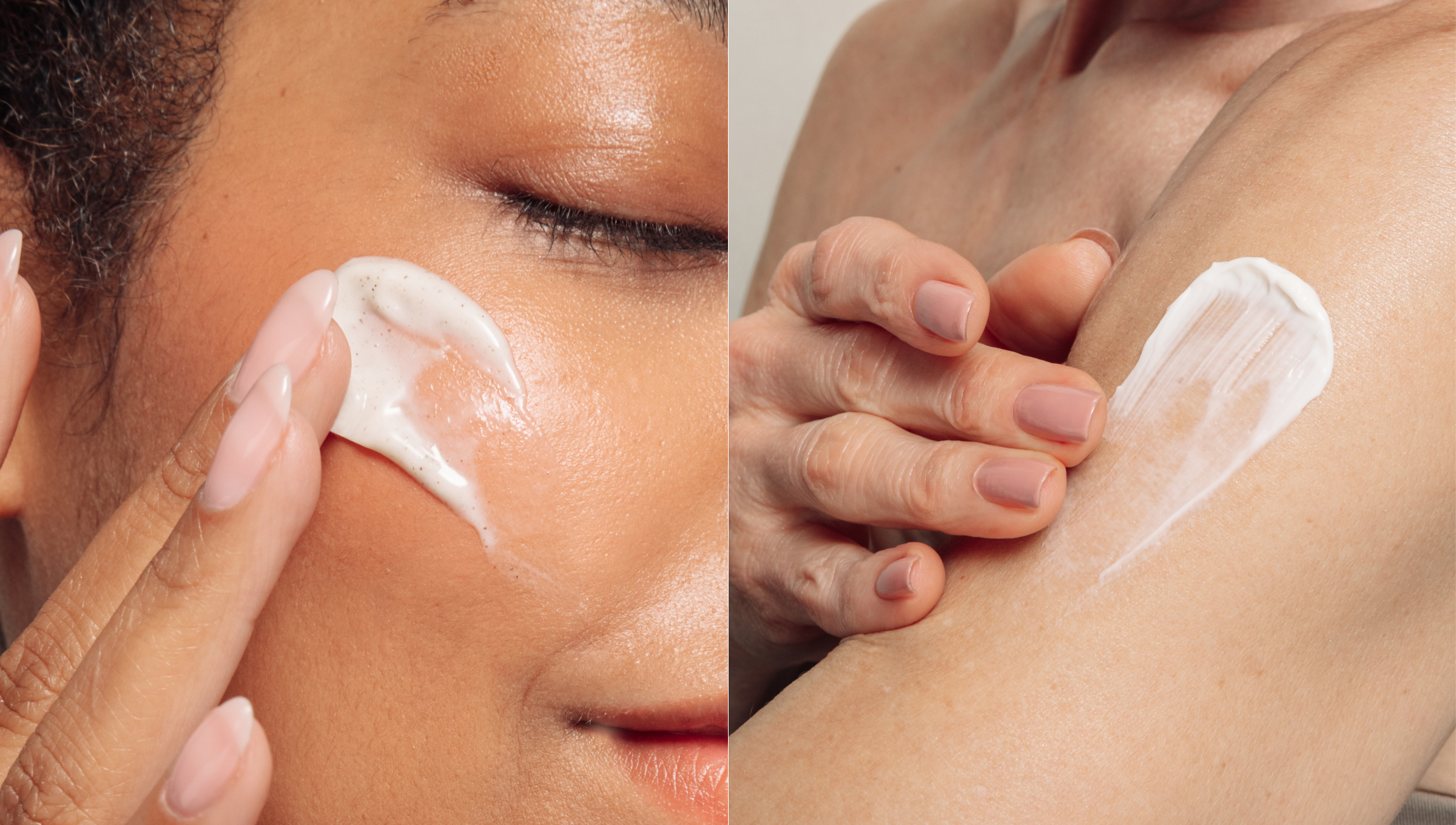
Don’t Miss Out: The Spa Dr.® Early Black Friday Sale is Here!
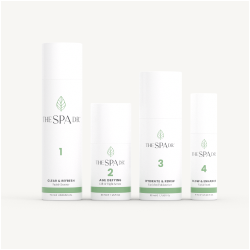
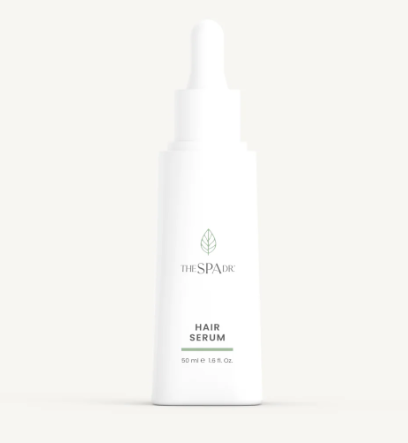
As you adjust your skincare routine for the season, The Spa Dr.® is here to help you explore clean, gentle formulas made without the ingredients many consumers choose to avoid.
Now is a great time to discover new favorites or restock your essentials—The Spa Dr.® Early Black Friday Sale has begun!
- Enjoy up to 50% off select items.
- Get free shipping on all orders over $70.
Give your skin supportive, clean-beauty options this season. Visit TheSpaDr.com to explore these limited-time offers.
Your choices play a powerful role in supporting the look and feel of your skin. By avoiding certain synthetic ingredients—like synthetic fragrances, parabens, and silicones—you help create a cleaner, more nurturing routine.
Choose products made with pure, gentle ingredients as a simple act of self-care that supports a radiant, refreshed appearance. Start your clean-beauty journey today and enjoy the difference a mindful routine can make.






Reader Interactions