
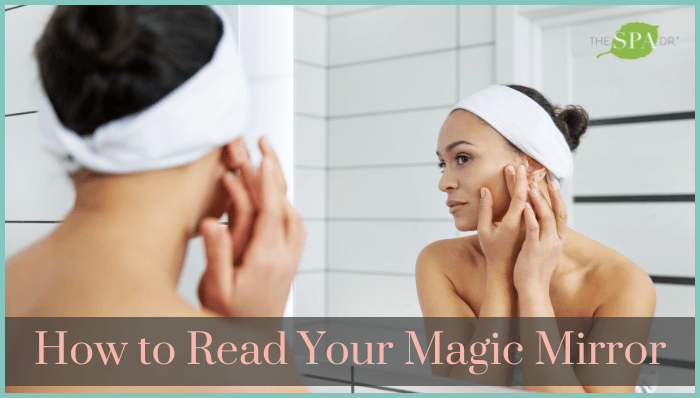
I call skin our magic mirror because it gives us great clues about our overall health. Your skin may be trying to tell you something about what’s going on inside your body, from nutritional deficiencies to hormonal imbalances. This can show up on your skin in many different ways.
By looking in the mirror and reading what you see, you’ll be able to find these clues and discuss them with a healthcare practitioner. Ready to read your skin? Grab a mirror and let’s get started.
Step 1: See Your Beauty
Now that you have your mirror ready, I want you to look closely. Keep in mind this is a tool we’re using to help you identify what’s going on inside your body and what might be causing skin problems. Don’t be hard on yourself. You’re beautiful as you are. I’m just trying to show you that your skin might be giving you some signs that you want to pay attention to before they turn into more serious health issues.
In fact, this is the best time to look at what you love about yourself. Do you have beautiful hazel eyes? A charming dusting of freckles across the bridge of your nose? Maybe you love how lush and full your eyelashes are or the crinkles at the corner of your eyes that look just like your mom’s and have come from decades of laughter with friends and family.
Unfortunately, many women have trouble seeing how beautiful they really are – especially as we get older. We usually tend to see our so-called flaws. But guess what? Nobody has perfect skin. I know I don’t. What is more important is healthy skin, which naturally improves its appearance.
Step 2: Examine the Skin Around Your Eyes
If you look at your skin and you notice any puffiness under your eyes, that can be a sign that you’re not getting enough sleep or that your body is dehydrated. Maybe you haven’t had enough water lately. Maybe you’re eating too many salty or processed foods. Try making some changes to sleep better, drink more water, and cut back on salty, processed foods.
See if that makes a difference and reduces puffiness under your eyes.
You may also notice darkness under your eyes, which is different from the puffiness. Darkness under the eyes may indicate that you’re eating something that you’re sensitive or allergic to. We call those “allergic shiners.”
Some people have a genetic predisposition to having darkness under the eyes, so it might have something more to do with your genes than allergies. But if you think about some of the primary food allergens like gluten or dairy, those might be an issue for you. Try cutting out some of those foods for ten to 14 days and see if that makes a difference in dark circles if you have them. You can find a complete plan to do this in my book, Clean Skin From Within.
Step 3: Examine the Skin Around Your Mouth
The next place to look for skin issues is around your mouth. Do you get cracked in the corners of your mouth? Do you have any sores, redness, or cracking? I experienced this myself when I was in medical school. If you see that, it might be a sign you have a B vitamin deficiency, usually Vitamin B-12. Try eating more foods rich in B vitamins, such as organic, grass-fed poultry, or fatty fish. You can also try taking a B complex supplement to see if that goes away.
Step 4: Look for Acne
When you’re looking at your skin, do you see any acne? If you have acne and it tends to be along your jawline and that’s mostly where you get your breakouts, it’s probably due to some imbalances in your hormones.
Now it’s time to start thinking about what is going on with your hormones. Are you noticing that you’re having problems with PMS or changes in your menstrual cycle? These are things to pay attention to and document so you can see trends.
A big part of hormone balance has to do with having a healthy diet.
If you eat a healthy, well-balanced diet, that’s going to be one of the best things to do to create balance. For example, eating cruciferous vegetables like broccoli and cauliflower are great foods to help with hormone balance.
Step 5: Look for Dryness
If you look at your skin and you think it’s really dry and dull, you might have some nutritional deficiencies or dehydration happening. This includes dryness on your face and the rest of your body. This can happen in the winter months when it’s dry and cold outside. Your skin might be dry from the environment. Drink more water, and eat more good fats from avocados, coconuts, and olives, instead of damaging trans fats from processed foods. When you make those changes, you’ll probably notice some changes in your skin from the inside out.
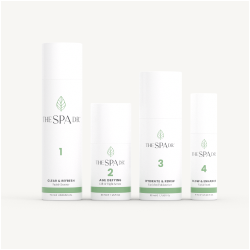
It’s also really important to make sure that you’re using skin care products that are made with clean, non-toxic, and natural ingredients that help support the natural pH of your skin and strengthen the skin microbiome – or the balance of good microorganisms on your skin. The Daily Essentials 4-Step Skin Care System is designed to cleanse, nourish, protect and revitalize your skin. Plus, it’s pH-balanced, suitable for sensitive skin, and EWG® Verified, meeting the highest clean beauty standards.
*These statements have not been evaluated by the Food and Drug Administration. These products are not intended to diagnose, treat, cure or prevent any disease.




Reader Interactions